
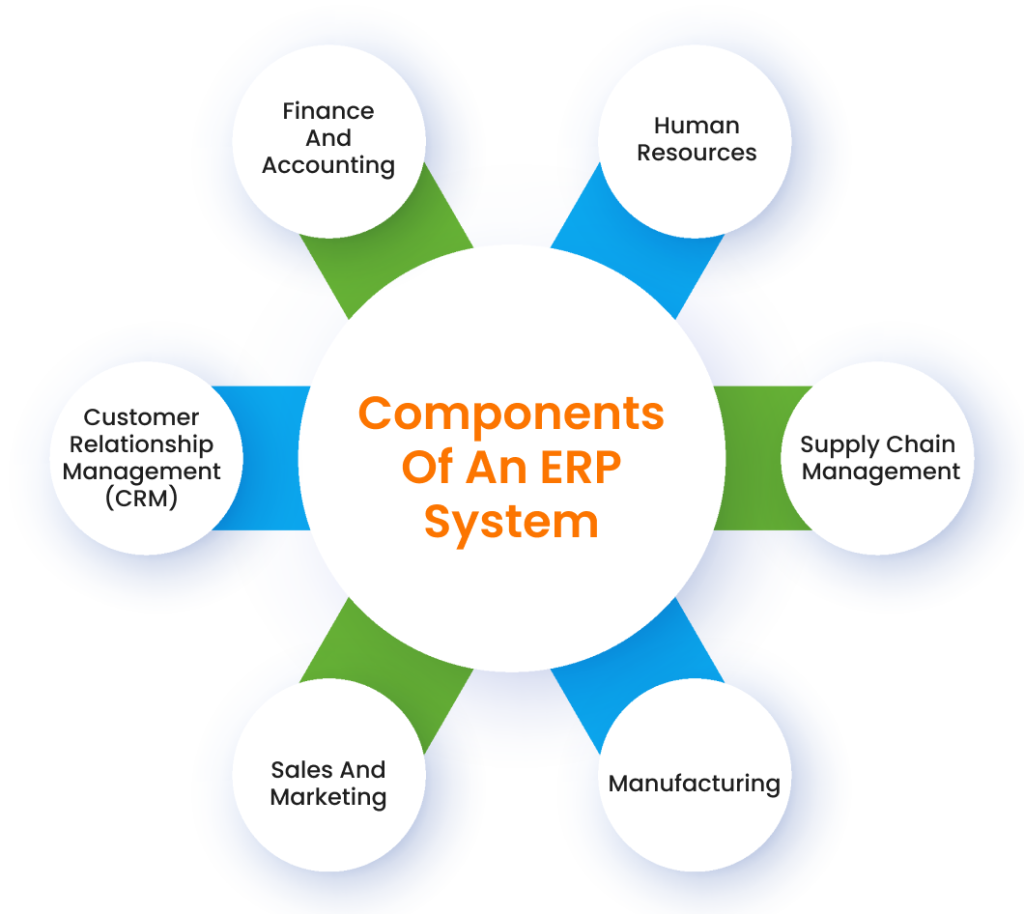
Are you struggling to manage your finances efficiently? Do you find yourself spending too much time on manual tasks, leading to potential errors and delays? An ERP finance system could be the solution you’re looking for. It integrates all your financial processes into a single platform, providing real-time visibility, improved accuracy, and streamlined workflows. This article will explore the core features and benefits of an ERP finance system, helping you understand how it can revolutionize your financial management.
Key Takeaways:
- An ERP finance system centralizes financial data and automates key processes, improving accuracy and efficiency.
- Core features include general ledger, accounts payable/receivable, budgeting, forecasting, and reporting.
- Benefits include better decision-making, improved compliance, reduced costs, and enhanced collaboration.
- Implementing an ERP finance system can be a significant investment, but the long-term returns make it worthwhile.
General Ledger and Core Accounting Features of an ERP Finance System
The heart of any ERP finance system is the general ledger. This is the central repository for all financial transactions, providing a complete and accurate record of your company’s financial position. Key features within the general ledger module include:
- Chart of Accounts Management: Easily create and maintain a detailed chart of accounts, categorizing your financial data for clear reporting.
- Journal Entry Processing: Automate the creation and posting of journal entries, reducing manual effort and the risk of errors.
- Reconciliation: Streamline bank reconciliations and other key reconciliation processes, ensuring accuracy and identifying discrepancies quickly.
- Currency Management: Handle transactions in multiple currencies, automatically converting amounts and tracking exchange rates.
- Fixed Asset Management: Track the acquisition, depreciation, and disposal of fixed assets, ensuring accurate accounting and reporting.
These core accounting features automate time-consuming tasks, improve accuracy, and provide a solid foundation for financial reporting and analysis. Imagine the time saved by automating journal entries and simplifying bank reconciliations. This allows your finance team to focus on more strategic activities. The increased accuracy also reduces the risk of errors, which can be costly and time-consuming to correct. For instance, a large company, using approximately 1000 gb of data, can handle all this data efficiently.
Accounts Payable and Receivable Automation in an ERP Finance System
Efficiently managing accounts payable (AP) and accounts receivable (AR) is crucial for maintaining healthy cash flow. An ERP finance system offers robust automation capabilities for both processes:
- Automated Invoice Processing: Capture invoice data automatically, routing invoices for approval, and scheduling payments.
- Vendor Management: Centralize vendor information, track payment terms, and manage vendor performance.
- Customer Billing and Invoicing: Generate invoices automatically, send them electronically, and track payment status.
- Automated Payment Reminders: Send automated payment reminders to customers, reducing late payments and improving cash flow.
- Credit Management: Assess customer creditworthiness and set credit limits, minimizing the risk of bad debt.
By automating AP and AR processes, an ERP finance system can significantly improve efficiency, reduce errors, and accelerate cash flow. Eliminating manual data entry and automating invoice approvals frees up your finance team to focus on more strategic tasks, such as negotiating better payment terms with vendors and improving customer collection strategies.
Budgeting, Forecasting, and Financial Reporting Capabilities of an ERP Finance System
Accurate budgeting, forecasting, and financial reporting are essential for making informed business decisions. An ERP finance system provides the tools you need to:
- Budget Creation and Management: Develop budgets based on historical data, current trends, and future projections.
- Forecasting: Create rolling forecasts to anticipate future financial performance and identify potential risks and opportunities.
- Real-Time Reporting: Generate a wide range of financial reports, including income statements, balance sheets, and cash flow statements.
- Variance Analysis: Compare actual results to budgeted or forecasted amounts, identifying areas of concern and opportunities for improvement.
- Customizable Dashboards: Create personalized dashboards to track key performance indicators (KPIs) and monitor financial performance in real-time.
These features provide real-time visibility into your financial performance, enabling you to make proactive decisions and respond quickly to changing market conditions. With accurate budgeting and forecasting, you can allocate resources effectively, optimize spending, and improve profitability.
Compliance and Risk Management Features in an ERP Finance System
Compliance with financial regulations and effective risk management are critical for protecting your business. An ERP finance system helps you meet these requirements through:
- Audit Trail: Maintain a complete audit trail of all financial transactions, ensuring accountability and traceability.
- Internal Controls: Implement internal controls to prevent fraud and errors, safeguarding your assets.
- Regulatory Compliance: Stay compliant with industry-specific regulations and reporting requirements.
- Data Security: Protect sensitive financial data with robust security measures, including access controls and encryption.
- Risk Assessment: Identify and assess financial risks, developing mitigation strategies to minimize their impact.
By automating compliance processes and implementing robust internal controls, an ERP finance system can significantly reduce the risk of fines, penalties, and reputational damage. This provides peace of mind and allows you to focus on growing your business.