
The US economy is a complex and ever-evolving landscape, influenced by a multitude of factors ranging from global events to domestic policy. Understanding the current economic trends US is crucial for businesses, investors, and individuals alike to make informed decisions. This report provides a detailed analysis of the key trends shaping the US market, offering insights into potential opportunities and challenges that lie ahead.
Key Takeaways:
- Inflation remains a persistent concern, although recent data suggests a possible moderation in the coming months.
- The labor market continues to show strength, but there are signs of a potential slowdown in hiring.
- Interest rate hikes by the Federal Reserve are impacting borrowing costs and investment decisions.
- Geopolitical uncertainties are contributing to market volatility and economic uncertainty.
Understanding Key Economic Trends US Shaping the Market
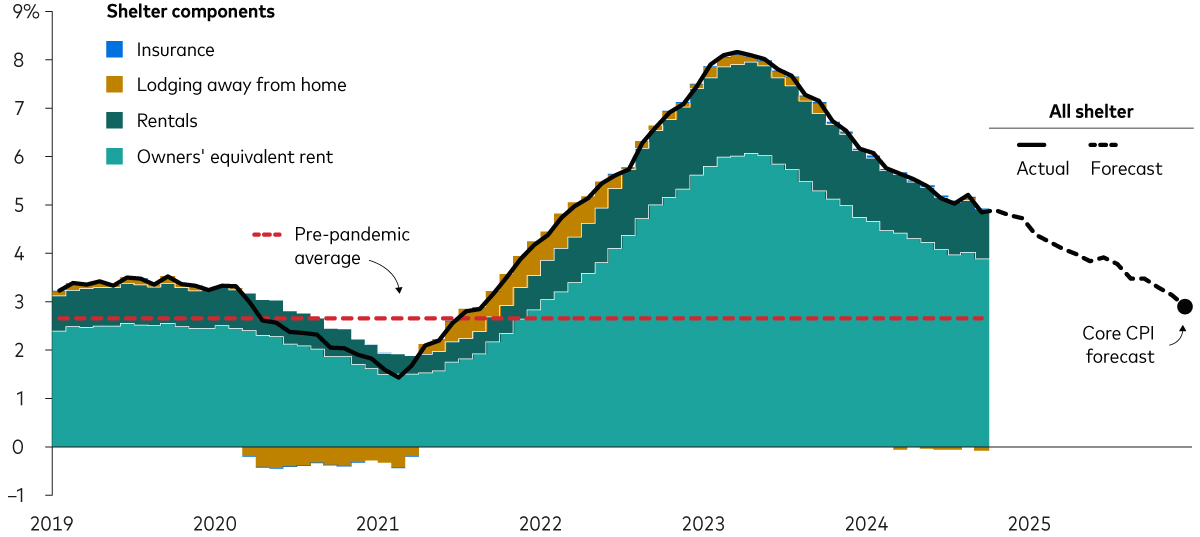
Several key economic trends US are currently shaping the US market. Inflation is a primary concern, with the Consumer Price Index (CPI) remaining elevated despite efforts by the Federal Reserve to curb price increases. Supply chain disruptions, increased consumer demand, and government stimulus measures have all contributed to inflationary pressures.
The labor market has shown remarkable resilience, with unemployment rates remaining low. However, there are indications that the pace of job growth may be slowing down, and wage pressures could ease in the future. Companies across various sectors, including the tech industry are announcing layoffs, which could impact consumer spending and overall economic activity.
Rising interest rates, implemented by the Federal Reserve to combat inflation, are impacting borrowing costs for businesses and consumers. This can lead to a slowdown in investment and spending, potentially dampening economic growth. The housing market is particularly sensitive to interest rate changes, with rising mortgage rates leading to a decrease in home sales and construction activity.
Geopolitical instability, including the war in Ukraine and tensions in other regions, adds another layer of uncertainty to the economic outlook. These events can disrupt global trade, increase energy prices, and impact investor confidence. The relationship between the US and China, a major trading partner, also plays a significant role in shaping the economic landscape.
Analyzing Sector-Specific Economic Trends US
The impact of economic trends US varies across different sectors of the economy. The technology sector, which has been a major driver of growth in recent years, is facing headwinds due to rising interest rates, increased regulatory scrutiny, and shifting consumer preferences. Companies are reassessing their investment strategies and focusing on profitability over rapid growth.
The energy sector is experiencing volatility due to fluctuations in oil prices and geopolitical events. The transition to renewable energy sources is also creating both opportunities and challenges for companies in this sector. Government policies aimed at promoting clean energy and reducing carbon emissions are influencing investment decisions and shaping the future of the energy market.
The healthcare sector is facing increasing cost pressures and demographic shifts. An aging population and rising healthcare costs are putting a strain on the system, creating opportunities for innovation and efficiency improvements. The pharmaceutical industry is also facing scrutiny over drug pricing and access to healthcare.
The financial services sector is navigating rising interest rates and increased regulatory oversight. Banks and other financial institutions are adapting to changing market conditions and focusing on risk management. The rise of fintech companies is also disrupting the traditional financial services landscape.
Forecasting Future Economic Trends US
Predicting future economic trends US is a challenging task, but analyzing current indicators and expert forecasts can provide valuable insights. The Federal Reserve’s monetary policy decisions will continue to play a crucial role in shaping the economic outlook. Monitoring inflation data, employment figures, and consumer spending patterns will be essential for understanding the direction of the economy.
The performance of the global economy will also influence the US market. A slowdown in global growth could impact US exports and business investment. Geopolitical events and trade policies will continue to be major drivers of economic uncertainty.
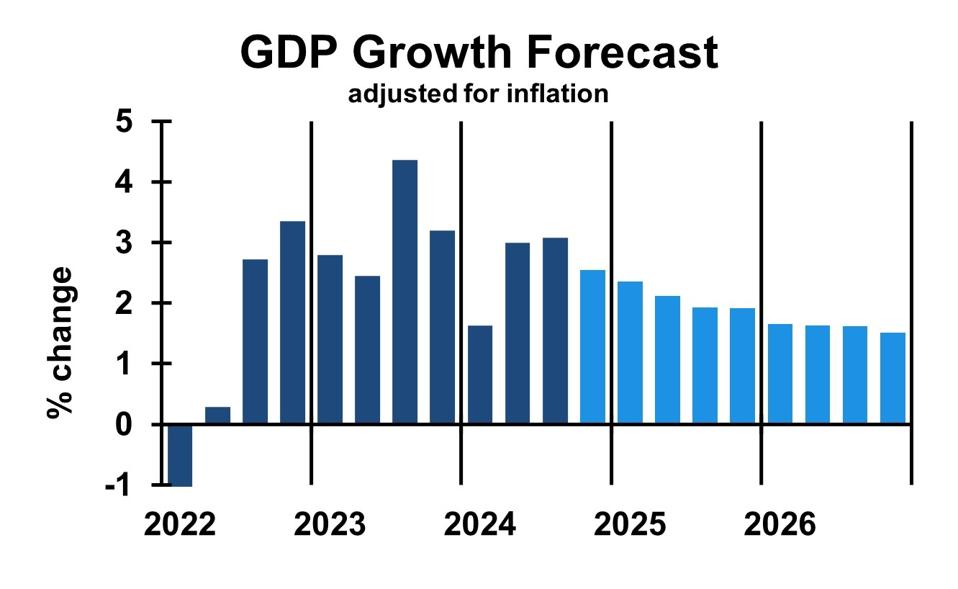
Many economists predict a period of slower growth in the coming quarters, with some even forecasting a potential recession. However, the strength of the labor market and the resilience of consumer spending could mitigate the severity of any downturn. The long-term outlook for the US economy remains positive, driven by innovation, technological advancements, and a strong entrepreneurial spirit.
The gb region’s economic performance and its trade relationship with the US will also have an impact.
Strategies for Adapting to Changing Economic Trends US
Businesses and individuals can take several steps to adapt to the changing economic trends US. Diversifying investments can help mitigate risk during periods of market volatility. Focusing on efficiency improvements and cost control can help businesses navigate inflationary pressures. Staying informed about government policies and regulatory changes is crucial for making informed decisions.
Consumers can manage their finances by budgeting carefully, reducing debt, and seeking out opportunities to increase their income. Investing in education and skills development can improve job prospects and earnings potential. Staying informed about economic developments and seeking professional financial advice can help individuals make sound financial decisions.