
Here’s an article drafted to meet your specifications:
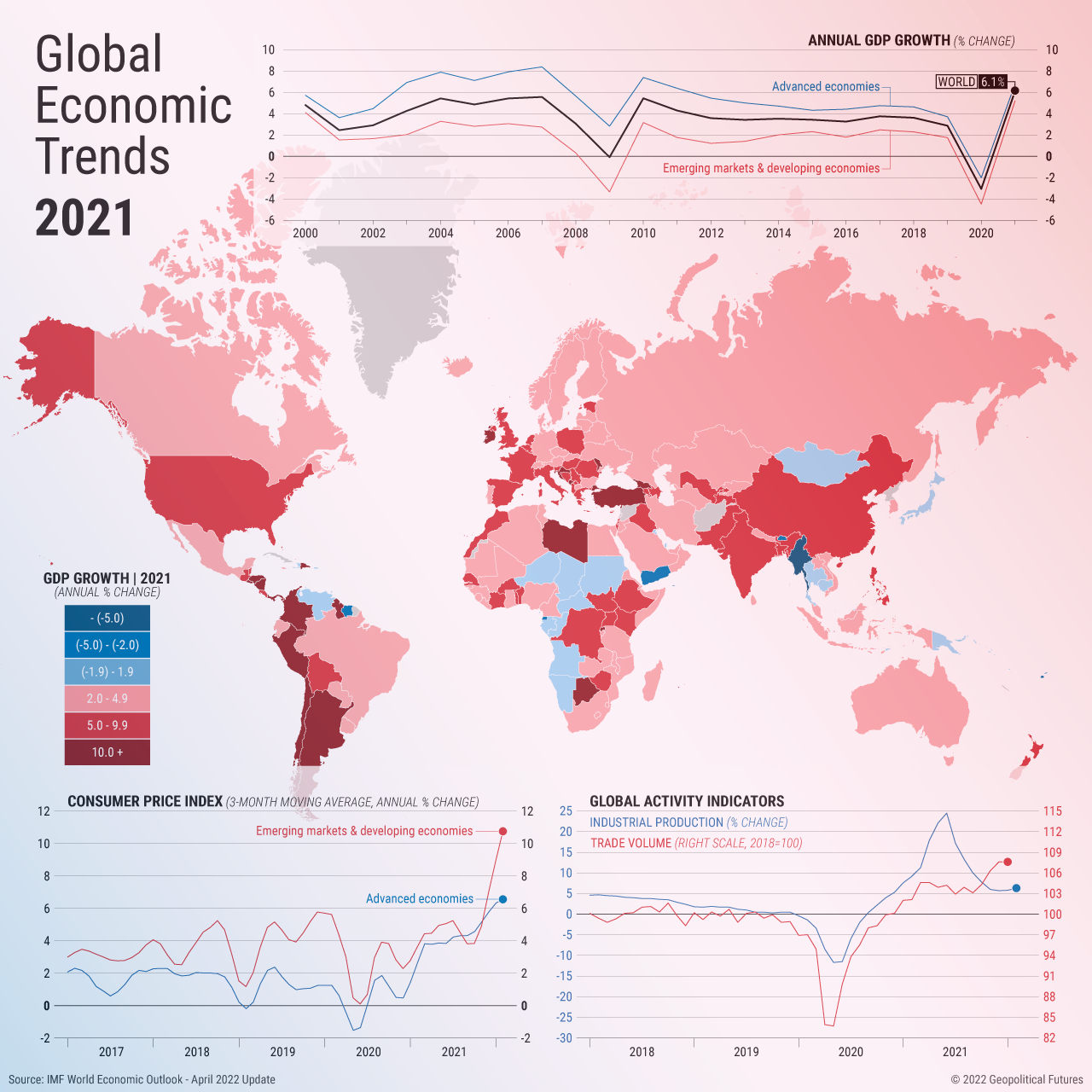
The global economic landscape is constantly shifting, presenting both opportunities and challenges for businesses and investors alike. Understanding the recent economic trends is crucial for making informed decisions and adapting to the evolving market dynamics. This article provides a snapshot of the current economic climate, focusing on key indicators and their potential impact.
Key Takeaways:
- Inflation remains a central concern, influencing monetary policy decisions and consumer spending.
- Interest rate hikes are impacting borrowing costs and investment strategies across various sectors.
- Global events, including geopolitical tensions and supply chain disruptions, continue to contribute to economic uncertainty.
- Monitoring key economic indicators like GDP growth, employment figures, and consumer confidence is essential for understanding the overall health of the economy.
Inflation and Interest Rates: Analyzing Recent Economic Trends
One of the most significant recent economic trends is the persistent presence of inflation. After a period of relatively low inflation, prices for goods and services have risen sharply, driven by a combination of factors including supply chain bottlenecks, increased demand, and government stimulus measures. Central banks around the world, including the US Federal Reserve and the Bank of England, have responded by raising interest rates to combat inflation. These rate hikes aim to cool down the economy by making borrowing more expensive, which can reduce consumer spending and investment. However, aggressive interest rate increases also carry the risk of slowing down economic growth and potentially triggering a recession. The effectiveness of these measures in curbing inflation without causing significant economic damage remains to be seen.
Global Economic Growth and Geopolitical Risks: Recent Economic Trends
Global economic growth is facing headwinds from various sources. Geopolitical tensions, such as the ongoing conflict in Ukraine, have disrupted trade and supply chains, leading to increased uncertainty and volatility in the markets. The rising cost of energy and food is also impacting economic activity, particularly in developing countries. Furthermore, concerns about a potential slowdown in China, the world’s second-largest economy, are adding to the global economic uncertainty. While some regions are showing resilience, the overall outlook for global growth remains subdued. The UK’s economy, for example, is facing challenges with high inflation and a tight labour market. The availability of detailed statistical data, often measured in gb, is crucial for accurately assessing the economic impact of these events.
Labor Market Dynamics and Employment: Observing Recent Economic Trends
The labor market is another area to watch closely when evaluating recent economic trends. In many developed economies, unemployment rates remain low, and there is a high demand for workers. However, this tight labor market is also contributing to wage inflation, as companies compete for employees by offering higher salaries. The participation rate, which measures the percentage of the population that is either employed or actively seeking employment, is also an important indicator of labor market health. Changes in labor market dynamics can have a significant impact on consumer spending and overall economic growth. Automation and technological advancements are also reshaping the labor market, creating new job opportunities while also displacing workers in certain industries.
Consumer Spending and Market Sentiment: Monitoring Recent Economic Trends
Consumer spending is a key driver of economic growth, and its performance is closely linked to recent economic trends. Rising inflation and interest rates are putting pressure on household budgets, leading to a decline in consumer confidence and spending. As consumers become more cautious about their spending habits, businesses may experience lower revenues and profits. Market sentiment, which reflects the overall mood of investors and consumers, can also play a significant role in shaping economic activity. Negative sentiment can lead to a decline in investment and spending, while positive sentiment can boost economic growth. Factors such as government policies, economic data releases, and global events can all influence market sentiment.